House dust mites are among the most important indoor allergens and a common cause of allergic rhinitis and asthma.
Mites do not bite people or transmit disease; however, their body fragments and droppings can cause symptoms such as sneezing, a blocked nose, itchy eyes, coughing and wheezing in sensitised people.
Where are they found most?
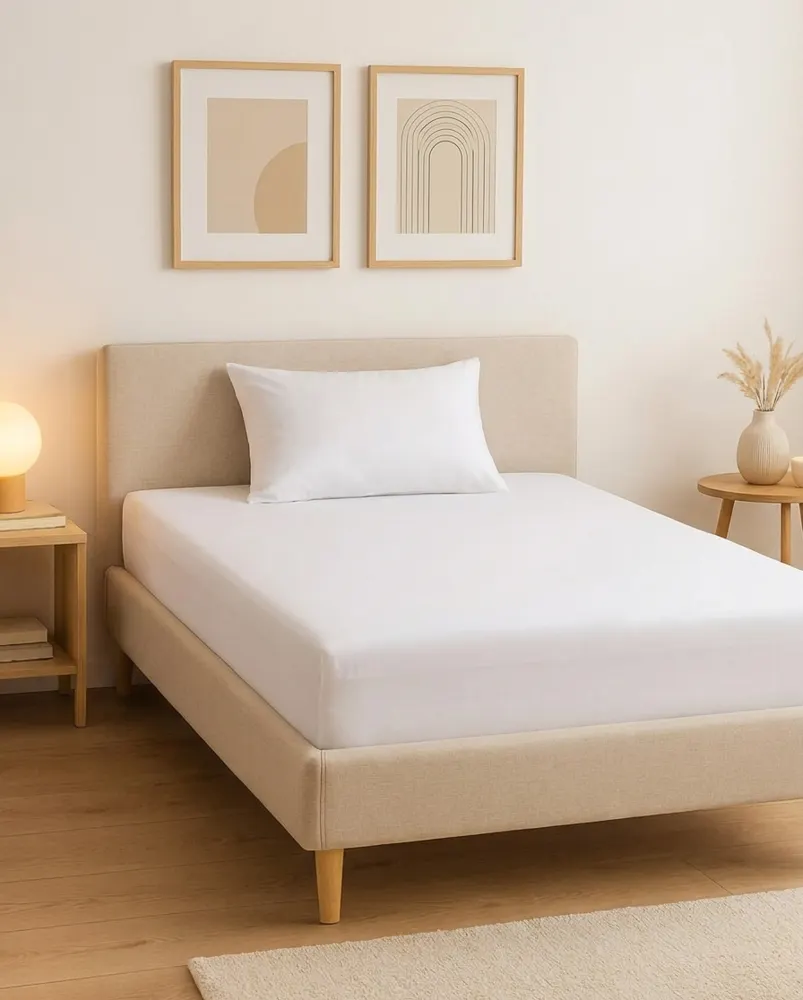
Because they feed on human skin flakes and like warm, humid environments, they are most abundant in mattresses, pillows and duvets. Carpets, upholstered furniture, heavy curtains and soft toys are also important reservoirs.
To lower allergen levels at home
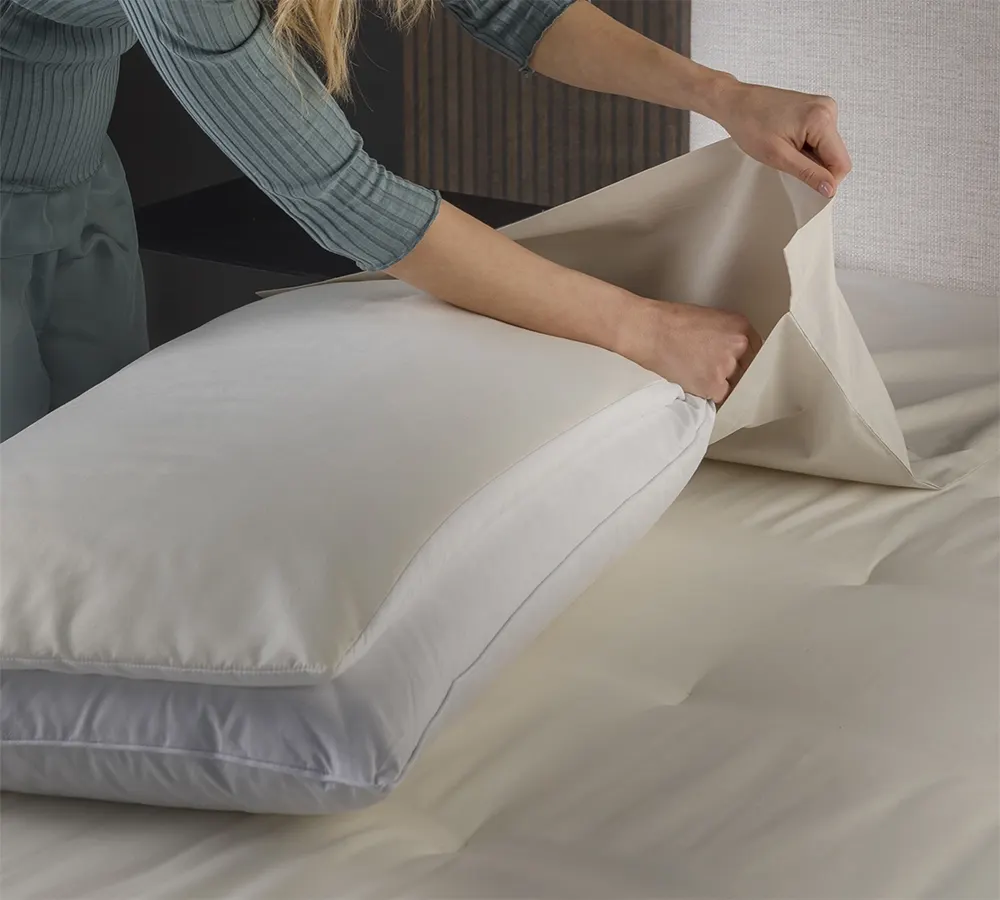
- Encase mattresses, duvets and pillows in mite-proof covers.
- Wash sheets, duvet covers and pillowcases weekly at 60 °C or higher.
- Keep indoor humidity below 50% and ventilate regularly.
- Reduce carpets, heavy curtains and soft toys in the bedroom; choose washable toys.
- Use a vacuum cleaner with a HEPA filter; the allergic person should not be in the room during and immediately after cleaning.
According to current guidelines, applying these measures individually is usually not enough; combining several measures is more meaningful. Alongside medication, allergen immunotherapy — the only approach that can modify the course of the disease — is also an option in mite allergy. Decide on the right approach with your allergy specialist.
This article is for general information only; consult your physician for diagnosis and treatment.